
Last updated August 25, 2026
Free on-site gate assessment - hinges, posts, and your LiftMaster or Nice gate operator checked before anything is quoted
The assessment is free and the quote is the invoice.

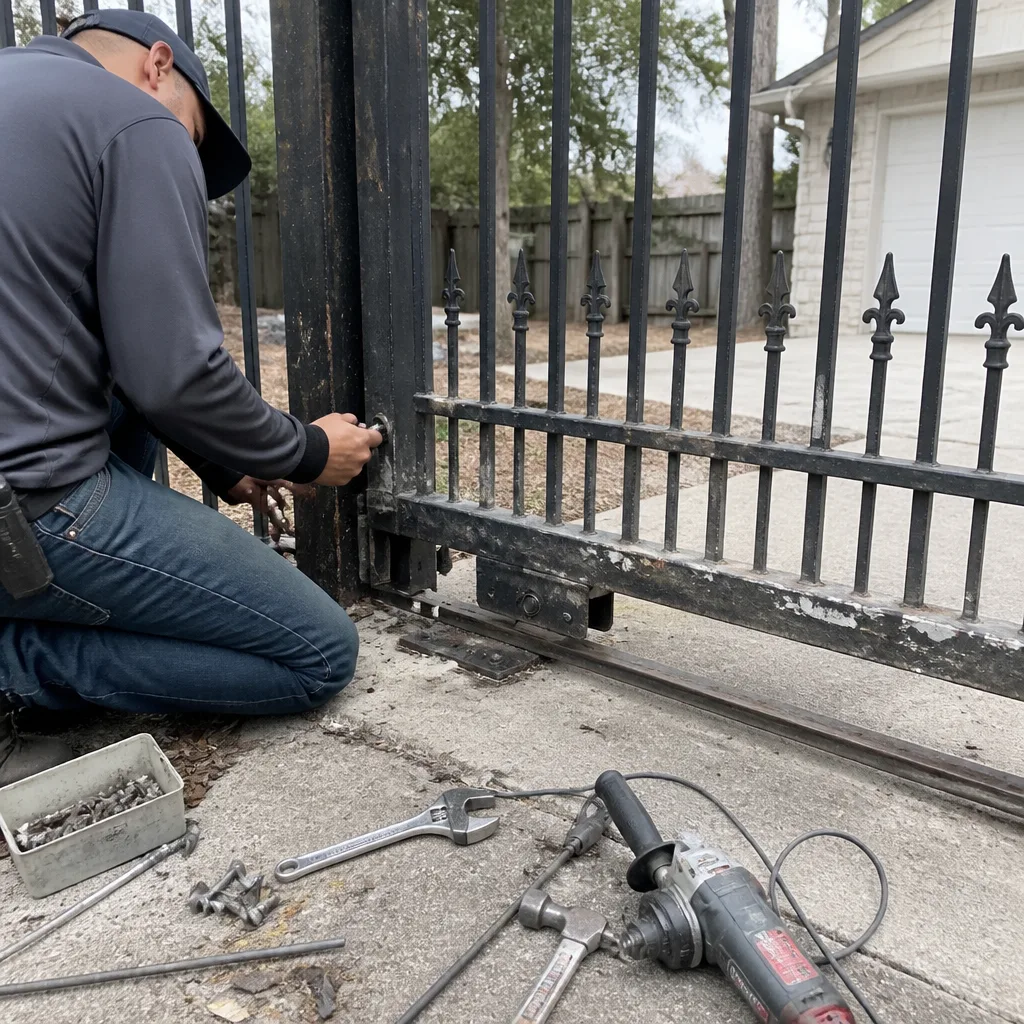 Before
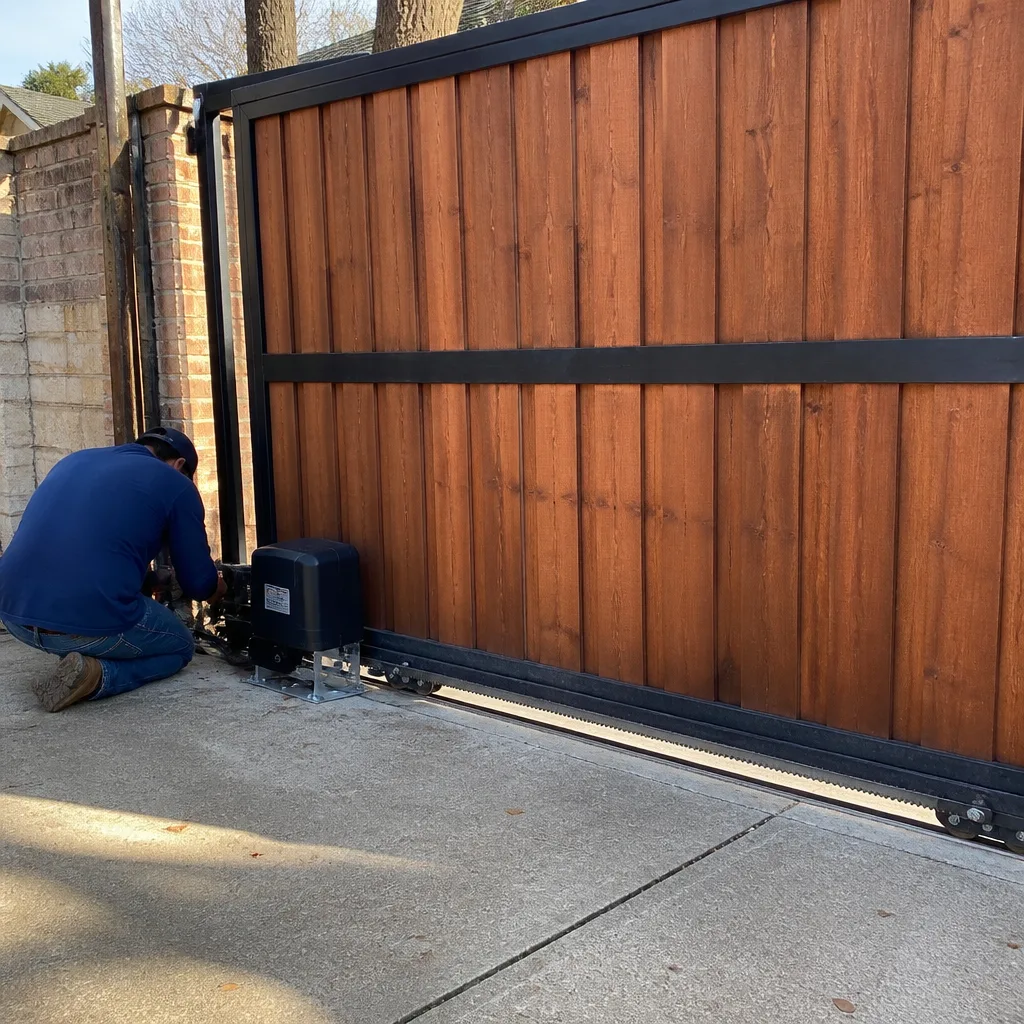 After
After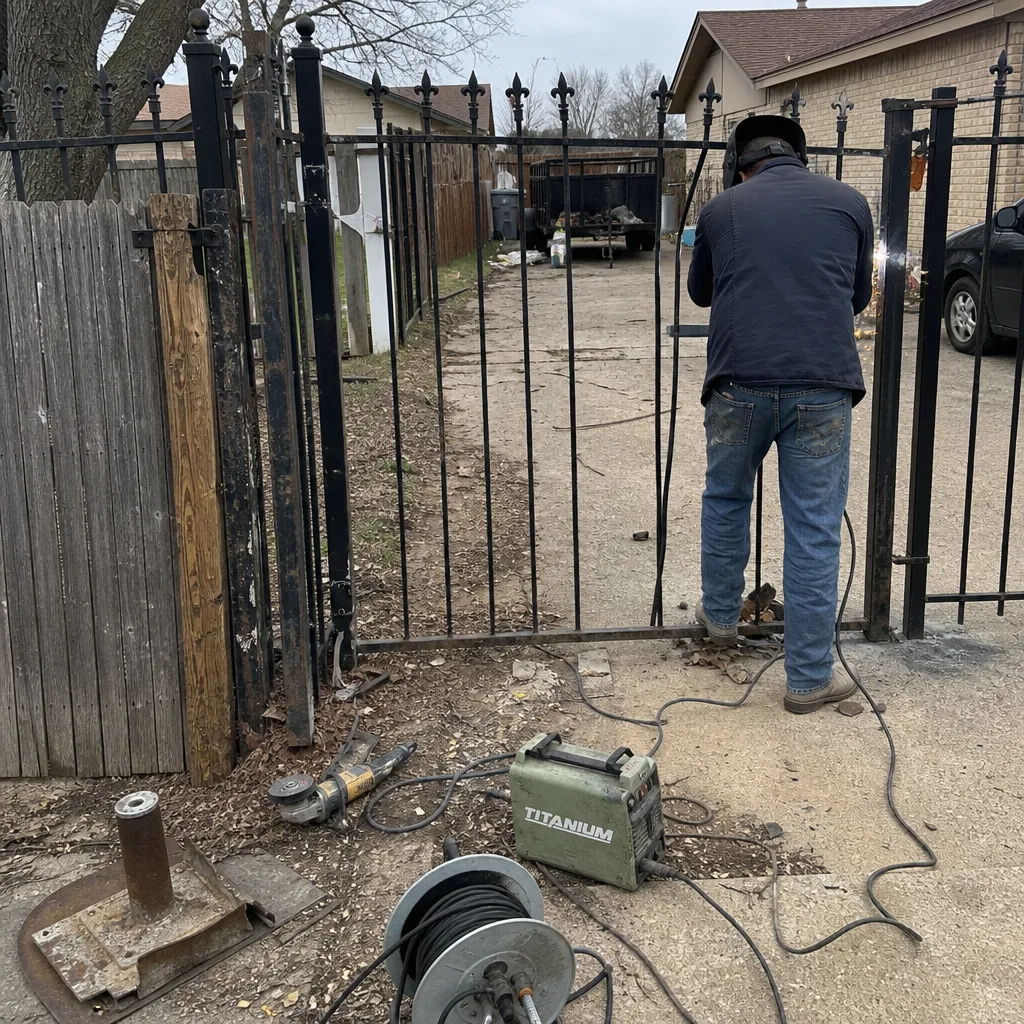 Before
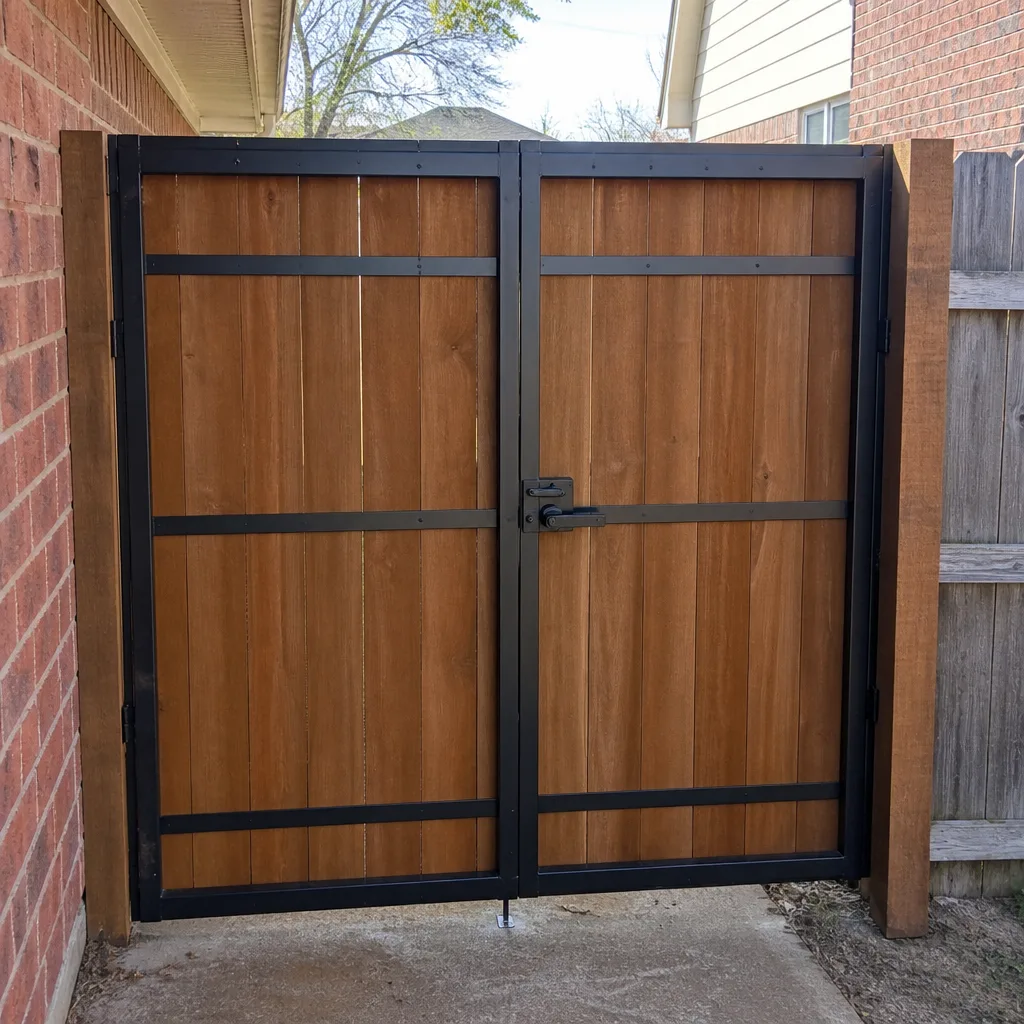 After
After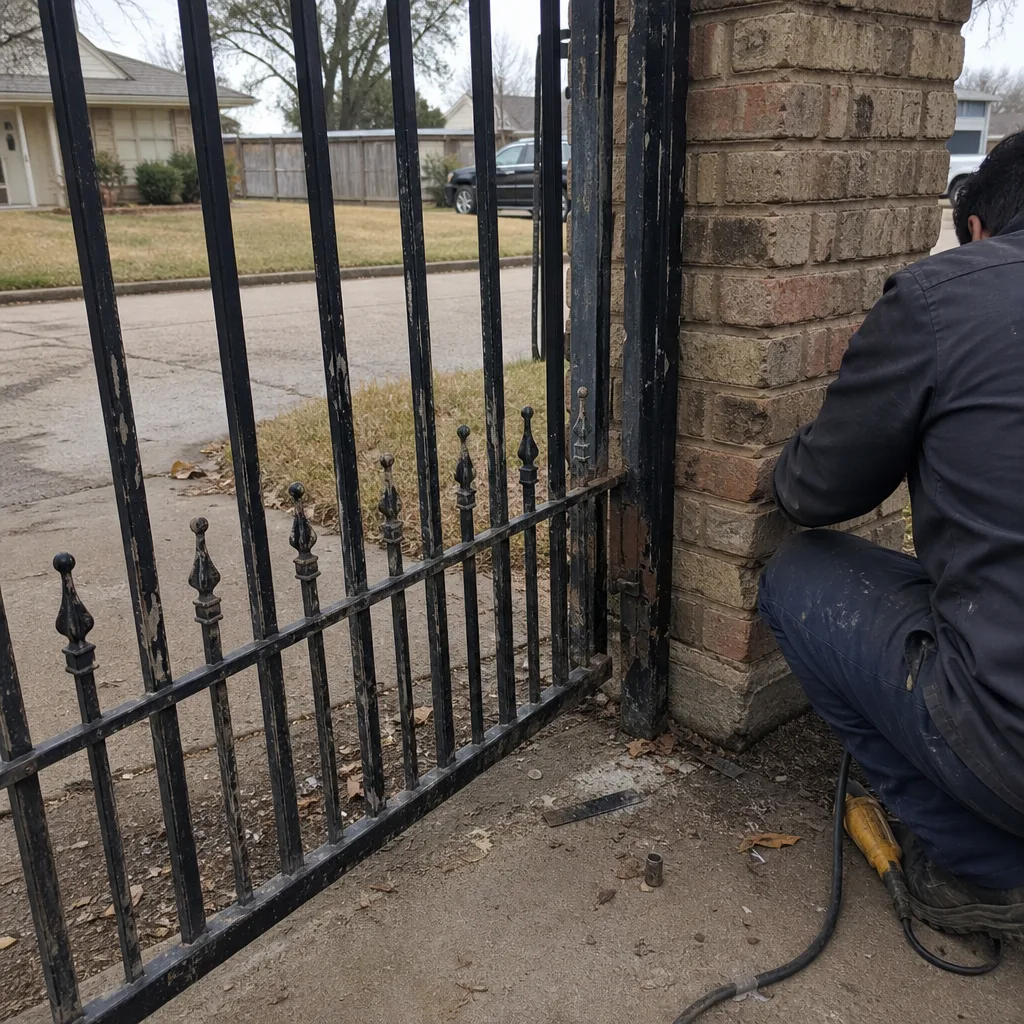 Before
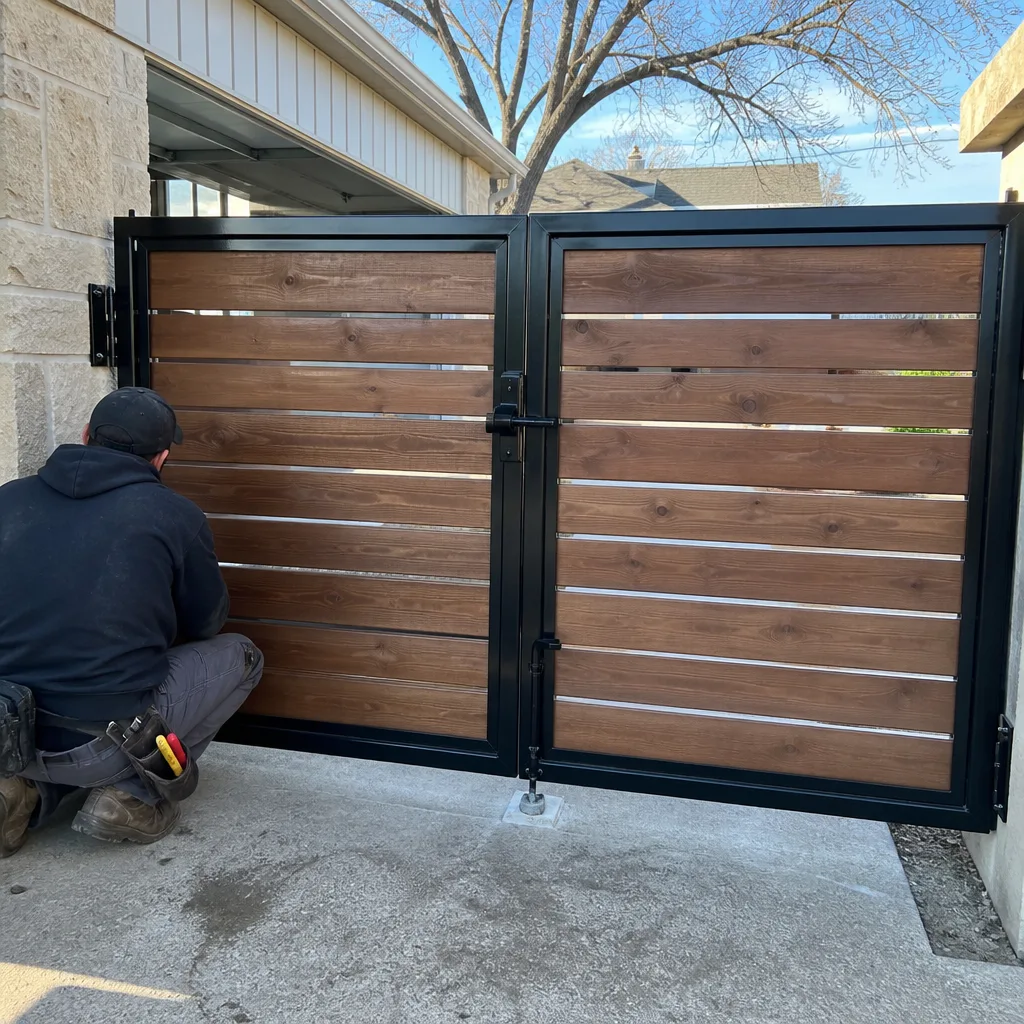 After
AfterSeasonal Gate Repair Care for Duncanville: Year-Round Homeowner’s Guide
Most Duncanville homeowners don’t think about their driveway gate until the day it stops working. Usually that day is the hottest afternoon of July or the first icy morning of January, when the motor has been quietly working itself to death for months. A gate is the largest moving appliance on your property, often weighing 400 to 900 pounds and cycling hundreds of times a year in North Texas sun, wind, and clay soil. This guide is a straight talk on what actually wears out, what every season does to a gate, and how a smart homeowner in Duncanville keeps a gate running for ten, twenty, sometimes forty years. We’ll walk you through a simple seasonal rhythm, what you can do yourself in four minutes, what to leave alone, and what it honestly costs when a repair is needed.
Quick Answer
Seasonal gate care in Duncanville is a four-step annual rhythm: spring leveling, summer motor cooling and chain tension checks, fall leaf and track cleaning, and winter hinge and post inspection. You can handle surface cleaning, debris removal, and monthly testing yourself; spring and motor adjustments call for a trained technician, because a 900-pound gate under tension is not a weekend project. A $89 seasonal tune-up once or twice a year catches the small stuff before it becomes a weekend outage: most failures trace back to a post leaning through our clay-heavy seasonal soil shifts, a battery cooked by a summer heat, or a photo eye fouled by pecan leaves and dust.
Table of Contents
- How Duncanville’s Climate Attacks Your Gate
- Spring: Season of Leveling and Lube
- Summer: Keeper of the Motor and the Chain
- Autumn: Leaves, Grit and Photo Eyes
- Winter: Hinges, Cold Starts and Battery Truths
- The Quick Monthly Gate Walk: Six Checks in Four Minutes
- What a Seasonal Tune-Up Includes: Over the Full Gate
- Common Mistakes to Avoid
- When to Call a Professional
- Frequently Asked Questions
- The Bottom Line
How Duncanville’s Climate Attacks Your Gate
Duncanville is hard on gates in ways homeowners in other parts of the country never see. We work on gates in this city every week, and the local soil may be the single biggest factor: the Houston black clay under most Duncanville properties swells and shrinks through every wet-dry cycle. Over a single year, that movement can push a gate post a quarter-inch out of plumb. Over five years, that becomes a post leaning far enough that the gate drags, binds, or locks against its own latch. In neighborhoods off Main Street and through the older lots near Harrington Park, we regularly see post movement of an inch or more in a wet spring.
Then the Texas sun presses down. A steel or iron gate sitting in direct Duncanville sun can reach surface temperatures above 160 degrees in August. The first casualty is usually the operator: a capacitor packing, a control board cooking, a gear drive stripped from pushing against a heat-stiffened chain and a post that has shifted just enough to add drag. Heat also shortens the life of the operator’s transformer and any battery in the unit. The second Dallas-area factor is grit: our dry, windy stretches powder a black steel gate with fine blast dust, and that dust works into roller bearings, hinges, track grooves, and the nylon gear of the operator. And all of this happens outdoors.
That is the honest picture: the gate does not stop moving because you neglected it. It stops because the climate battles it every single day. Seasonal gate care for Duncanville homeowners is not a hobby; it is maintenance that matches what the local environment actually does to steel, motors and concrete.
Spring: Season of Leveling and Lube
Spring in Duncanville is damp and then suddenly not. It starts with heavy rain in March and April, followed by the first heat of May, which is the exact sequence that shakes fence and gate posts loose. Heavy rain softens the clay around a post; heat hardens the surface again; the gate moves slightly out of alignment; the next rain finds the new gap. Once a post starts this cycle, it does not stop on its own, and the gate begins dragging or binding at the latch.
Here is the spring care sequence that makes the most difference, in the order we ourselves follow:
- Test the gate manually first. Release the operator with the manual disconnect, usually a pull handle or key. Swing or slide the gate by hand across the full travel. It should move smoothly, with no spot where you would have to lean into it. If it catches, scrapes, or feels heavy, report the exact spot to your gate technician.
- Level-check the posts with a basic 4-foot level. Even a quarter-inch lean is meaningful at the top of a heavy gate. If the post is moving, the fix may be concrete, bracing or a new post; this is not a DIY matter on a heavy automated gate.
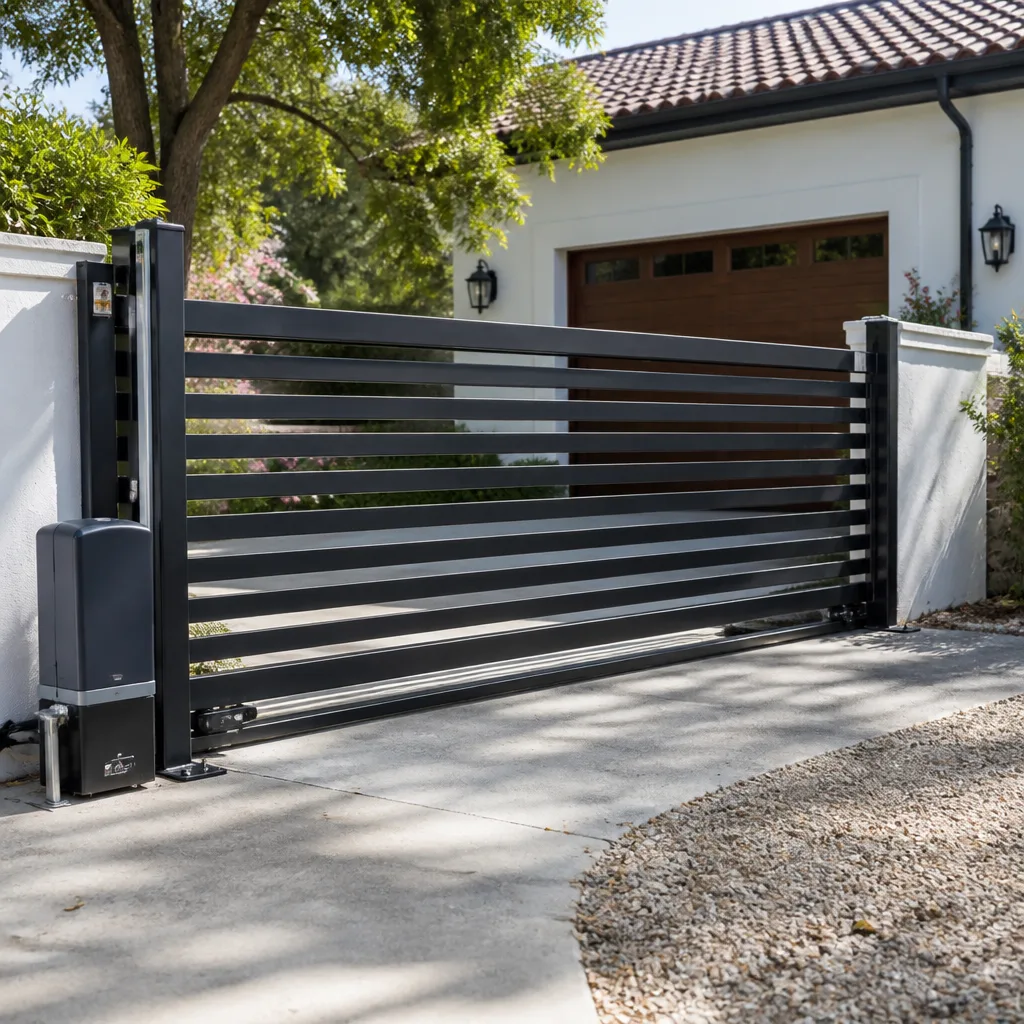
- Clean the track (for slide gates). Spring mud cakes into the steel track. Muck and gravel work into the rollers. Hose or sweep the full track run; never grease the track itself, as grease catches more grit and turns into grinding paste.
- Lubricate only moving metal pivots: hinge pins, roller bearings, the latch and the gate wheel. A light spray lubricant or lithium grease on the metal pivots, not on chains, not on belts, not on the track. Wipe away the excess with a clean rag.
- Test the safety features now, before peak summer use. Block the photo eye with a board and press the close; the gate must stop and reverse. Test the auto-reverse setting. In neighborhoods like Estates of Falcon Ridge and along Cedar Ridge Drive, where gates guard the driveway, checking these features in April prevents a longer, more expensive call in August.
Spring is the cheapest time for a tune-up in Duncanville. The weather is mild, schedules are open, and the work is simple for a technician who knows the quirks of local soil and heat. Our own $89 Seasonal Tune-Up exists for exactly this point of the year, because a level check in April costs less than a post replacement in September.
Summer: Keeper of the Motor and the Chain
Summer in Duncanville is when the phone rings most, and for a predictable set of reasons. The problem is almost never that the gate was poorly made; it is that the operator, the chain or belt, and the control board get pushed past their heat tolerance for weeks on end. A black chain-link or ornamental steel gate soaks heat all morning and radiates it all afternoon. The operator, especially a black control box mounted at the gate, is working in an environment hotter than the recorded air temperature.
The summer care sequence is mostly about heat and tension:
- Check chain or belt tension. Too tight and you load the operator gear; too loose and the chain jumps the sprocket. On a typical driveway chain in Duncanville summer heat, the chain grows a fraction of an inch when hot; a tension set too tight in April may bind in July. A technician should set the correct droop and sprocket engagement.
- Clear the operator box and keep it shaded where possible. Geckos, wasps, fire ants, dust and sometimes a field mouse make a home inside the control housing. A clean, ventilated, sealed box lasts far longer. If your operator is a LiftMaster or FAAC, the board and capacitor are robust but not immune; we change far more boards in August than in any other month.
- Keep the photo eye lenses clean and aligned. In summer, dust and hard rain alternate. A photo eye wiped once a month with a dry cloth keeps the gate running; a mis-aligned eye makes the gate refuse to close, which many homeowners misread as a dead operator.
- Listen for new noises. A gate that starts groaning or grinding in July is trying to tell you the chain, wheel or roller is done. Steel parts do not heal. The sound will not work its way out on its own.
The summer litmus test: on a 100-degree afternoon, open and close the gate three times in a row with the car in park. It should complete all three cycles without slowing, buzzing, or reversing on its own. If it struggles, a trained gate technician can often correct a single component in one visit. Most of our summer jobs in Duncanville are completed the same day they are called in, with the price agreed to before the technician starts the work.
Autumn: Leaves, Grit and Photo Eyes
Autumn changes the gate’s life in two simple ways. First, falling pecan and oak leaves pile against the gate track, hinges and operator housing. Second, the temperature drops and moisture returns, creating rust conditions on any bare steel. Then the leaf matter holds the moisture against the metal for weeks. Fall is the season of blockage and corrosion, and both are mostly preventable.
In Duncanville the pecan trees drop more than leaves; they drop twigs, husks and occasionally a nut that jams the track like a stone. A slide gate that begins stopping midway in October has usually collected a pecan in the roller or wedged the track guide. Here is the fall routine:
- Sweep and blow out the full track length weekly while leaves are falling. Even a single compressed leaf mat can lift the gate wheel slightly and change the motor’s load.
- Clear the area around the photo eyes. The eyes are usually small black boxes on posts or on the gate column; leaves stacked in front of the photo eye beam will stop the gate from closing. The most common autumn call: the gate won’t close, and the answer is a single leaf.
- Inspect the hinges and welds for paint chips and rust rubs. North Texas autumn is humid and the first frost roughs up old paint. A bare spot on a hinge or bottom rail should be wire-brushed, primed and touched up before winter. Steel gates in Duncanville can last many decades with paint; without it, they rust through at the bottom within a few years.
- Reset the closing force if leaves continue to block the beam. A small leaf riding in and out of the beam can cause the gate to intermittently reverse. Cleaning the eye each week for six weeks is simpler than driving around a wiring question.
Autumn is also the season when the oil change matters less on the gate and the small moving parts matter more. A $89 tune-up in October with cleaning, lube and tension check means the gate weathers the first freeze without a high-pitched start on a cold motor.
Winter: Hinges, Cold Starts and Battery Truths
Winter freezes in Duncanville are short but real. A gate operator that starts a cold sub-40-degree morning pulls a heavier load: grease stiffens, metal contracts, and the battery, if one is present, loses cranking power. Older operators, in particular, have a tougher cold start. The main winter failures we see across Duncanville are snapped hinge pins, stripped opener gears, and dead operator batteries. The fix sequence is not dramatic; it is mostly about inspecting before the cold front, not after.
Winter gate care in Duncanville, step by step:
- Inspect every hinge pin, hinge bracket and weld joint. Cold steel turns a small fatigue crack into a snapped hinge. The lower hinge on a heavy driveway gate carries the most load and fails first. If you can lift the gate slightly at the latch end and it moves independently of the hinge post, a pin or bracket is worn.
- Check the operator battery voltage if the unit has a backup battery. Most backup batteries last two to four years in Texas heat, not seven. If the gate has ever beeped or lagged during a power blink, test it now, before the next hard freeze or thunderstorm. On some models, a weak battery reads as a fault even on perfect weather days.
- Keep ice and mud out of the track. A slide gate with frozen standing water in the track will bind and reverse. A little coarse sand, not salt, helps day-to-day traction on a direct driveway. Salt accelerates steel corrosion, and most Duncanville gates are steel.
- Do not force a frozen chain or operator. If the gate will not move on a cold morning, do not repeatedly cycle the remote. Repetitive start attempts load the motor, strip a plastic or nylon gear, and turn a minor issue into a genuine operator failure. One or two attempts, then call someone who understands the system.
Winter is the season of listening, more than any other. A smooth gate makes a gentle hum. A grinding, clicking, or knocking gate in January is reporting real wear, and the sooner it is checked, the cheaper the fix. Our own service vehicles carry the common wear parts for the major operator brands, and in most Duncanville winter repair situations, the gate is working again that same day.
The Quick Monthly Gate Walk: Six Checks in Four Minutes
The best maintenance habit is a monthly walk. It costs nothing, it takes under five minutes, and it catches most gate problems before they become a $500 repair. Here is the exact list we give our own customers in Duncanville:
- Open and close the gate once with the remote while you watch from the side. It should move smoothly from start to finish, no hesitation, no jerking.
- Check the latch and stop. When the gate closes, it should seat gently into the latch or stop without banging or rebounding.
- Look at the bottom and track. Any leaves, pecan husks, rocks, mud, or a child’s toy in the path? Clear them by hand.
- Eyeball the posts. Is the gate still level across the top? If the wing of the gate now runs uphill or downhill relative to the post, soil movement has begun.
- Sweep the photo eyes with a dry cloth. Ten seconds. The lifetime of a photo eye goes up when dust and oak pollen are not clouding the beam.
- Listen for the second the motor starts and stops. A clean start means the operator is healthy; a buzzing or clicking before motion means the capacitor, battery or gear is wearing.
Run this quick list the first weekend of every month. If one check fails, call for a gate service appointment while the problem is still small; if it all passes, you can let the gate be a gate and not think about it for another 31 days.
What a Seasonal Tune-Up Includes: Over the Full Gate
A proper seasonal gate tune-up is not a quick spray of lubricant and a handshake. A gate that moves a quarter-ton of steel needs to be treated as a system: the hinges, the track and rollers, the chain or belt, the motor and its controls, the photo eyes, the safety reverse mechanisms, and the latch. In Duncanville, our $89 Seasonal Tune-Up is built around the failures this local climate actually causes, and it goes over the entire gate in the following order:
- Full inspection of hinges, welds, posts and mounting points – looking for cracks, rust spread, loose bolts and any post lean from clay-soil movement.
- Cleaning and lubrication of all serviceable pivots – hinge pins, roller bearings, wheels and latch. Lubricant chosen for North Texas heat and dust; excess wiped clean.
- Track and roller cleaning – all grit and debris removed from the slide path; rollers checked for flat spots.
- Chain or belt tension set correctly – not too tight for a cold morning, not too loose for a hot afternoon.
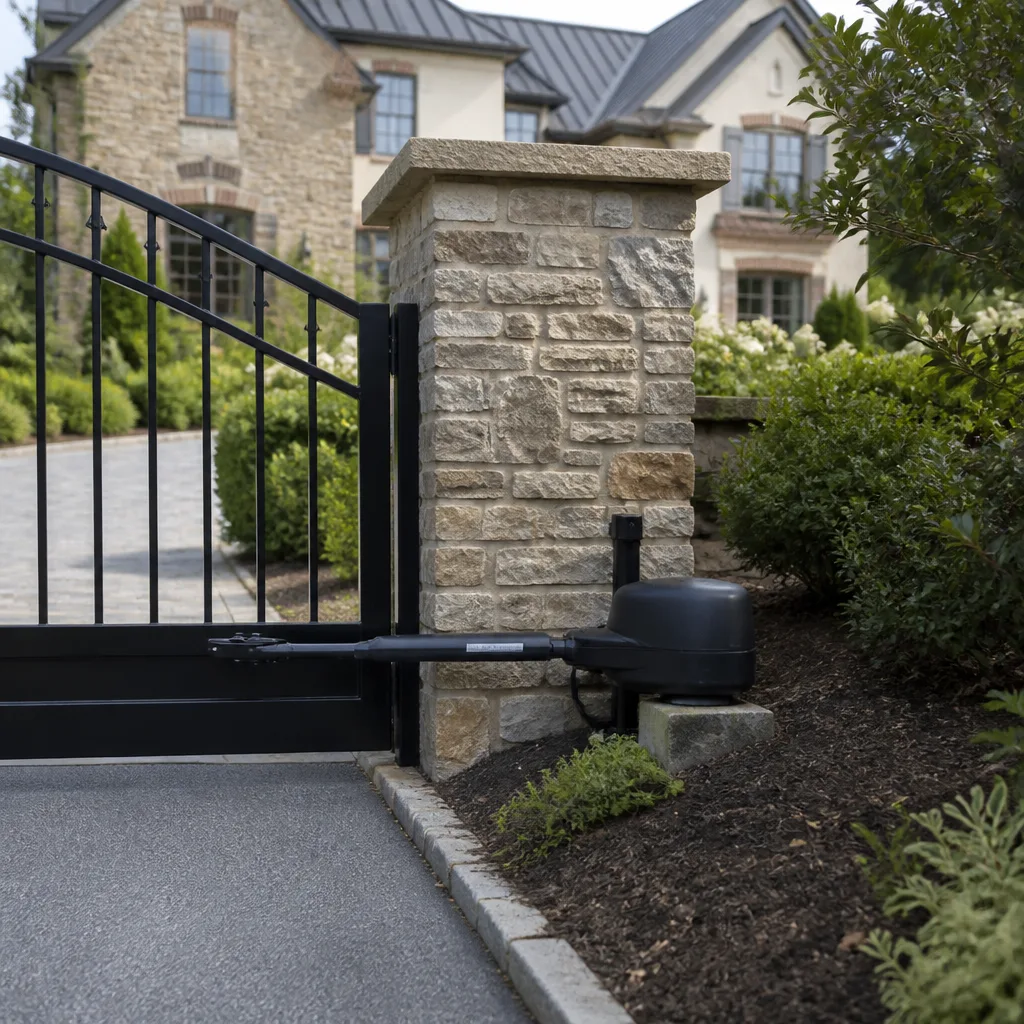
- Operator inspection and torque check – motor, control board, wiring connections and any capacitor tested for looseness or heat damage. We service LiftMaster, FAAC, BFT and Linear units, among others, so the correct adjustment is made the first time.
- Safety function test – the gate must stop and reverse on obstruction; the photo eyes must interrupt the close cycle; the manual release must disengage cleanly.
- Limit switch and force settings verified – the gate should close tight without tailgating and without running the motor past the stop.
If a part needs replacement, the technician gives you a clear word: what is worn, what it costs, whether replacing it now or in three months is the smarter play. The price is always agreed before work starts, never after. Nothing about the seasonal tune-up is a surprise. The whole point is that nothing about the gate surprises you, either.
What happens when you call
- 1
A real person answersNo phone trees - you reach a local pro.
- 2
You get an upfront price rangeHonest numbers before anyone is dispatched.
- 3
A background-checked tech heads outLicensed & insured, dispatched right away.
- 4
You approve before work beginsNothing starts until you say go.
Common Mistakes to Avoid
- Greasing the track of a slide gate. This is the most common mistake we see in Duncanville. Grease on a track collects dust and grit and turns into a thick compound that actually loads the motor more, not less. The rule: grease the pivots, never the track.
- Using household WD-40 on everything. WD-40 has a job; lubricating a 600-pound gate’s hinge pins is not that job. A simple penetrate-and-clean spray is fine for freeing rust, but the hinge needs a lithium grease or light machine oil afterward, or the pin wears dry.
- Ignoring a half-inch of post lean. Soil movement in Duncanville is constant, and a small lean now is a big lean this time next year. The gate begins as a misalignment; it ends as a snapped hinge pin or a cracked weld.
- Pushing the remote button four times in a row when the gate hesitates. This is how a tired operator becomes a burned motor. If the gate does not answer on the first or second press, stop and call someone who can check the supply, the sensor and the control board.
- Letting a pile of leaves become a permanent feature at the gate base. Wet leaves in Duncanville autumn hold water against steel and the operator housing for months, accelerating rust and encouraging the exact track blockage that caused the click but no movement.
- Waiting for a full failure before booking a tune-up. A gate failure is always more expensive than gate service. The $89 seasonal tune-up exists because we would rather see the gate healthy in spring than dead in August.
- Making a fence-height or track alteration without checking the operator. Any change to gate weight, wind load, or travel distance changes the operator’s workload. Before any physical change, talk to a gate professional about what the new load means for the motor and settings.
When to Call a Professional
Most of this guide is things you can do yourself safely: cleaning, lubricating, watching, listening, resetting the photo eye. The line is crossed when dealing with a moving risk. Any gate over 150 pounds is under real force: the weight is large, the spring or chain is loaded, and the steel parts can move faster than a reasonable adult can get his hand out of the way. If the gate has a high-tension torsion spring, cracked weld, broken hinge pin or a post out of plumb, call a trained professional. A snapped gate spring or hinge can throw the gate and injure whoever is standing near it. And any electrical work at the operator, board, capacitor or supply is a job for someone who knows exactly what they are working with, not for a homeowner with a good pair of pliers.
If your gate is drifting open or closed on its own, stopping mid-travel, sparking or buzzing, or simply not responding to the remote, the next correct step is a professional evaluation, not another press of the button. It is often one of four core issues: post movement from Duncanville clay, a worn chain or belt, a heat-aged operator component, or a safety beam fault. Ironworks Gate Co. offers free estimates in Duncanville; call (903) 532-2236 and a live person answers, 24 hours a day, 7 days a week.
Frequently Asked Questions
How much does gate repair cost in Duncanville?
A typical gate repair in Duncanville runs from $150 to $600 for a mechanical fix to $400 to $1,500 for a full operator replacement, depending on the size and brand of the opener. Most of the gate work we do falls between $150 and $500 for parts and labor on a single visit. The exact quote is always given and agreed before any work begins, and a free estimate applies to service calls in Duncanville.
How often should a Duncanville gate be serviced?
Once or twice a year, with the most valuable service in early spring before the heat arrives and a lighter check in early fall after pecan season. If the gate operator is old, runs daily, or carries a heavy steel or wood leaf, twice a year is prudent. A $89 Seasonal Tune-Up covers the full gate at the right points in the year rather than waiting for a symptom.
Can you come out today if my gate has stopped working?
Yes, most Duncanville gate failures are serviceable the same day, and a live person answers the phone around the clock at (903) 532-2236. We keep a service schedule built for same-day work in Duncanville and nearby communities, with common operator parts on the vehicle for the major brands we service, including LiftMaster, FAAC, BFT, and Linear. If the job takes longer, we tell you that before we start.
Do you handle the power run and the safety edges?
Yes, the full gate system is in our scope: the low-voltage connection from the house, the operator, the loops, the photo eyes, the safety edges, the keypad, the battery backup, the remote receivers, and the mechanical hardware. We do not install half a system and leave you to hire someone else for the rest. A new gate installation with automation is measured, quoted in writing, and scheduled properly, with a free site measure at the start.
How do I reset the gate after a power outage?
The first step is to cut the power to the operator for 10 seconds and restore it, then let the gate complete a full open and close cycle. If the gate starts but reverses or stops mid-run, check the photo eyes, clear the track, and try one or two more complete cycles. If it still will not hold a cycle, call a gate technician rather than repeatedly forcing the remote, which can damage the operator gears.
Does soil really move gates in Duncanville?
Yes, and it moves them more than most homeowners expect. The black clay under Duncanville contracts and swells with every wet-dry cycle, and a gate post will move with it. A quarter-inch of post movement at ground level becomes a visible lean at the latch side of a long driveway gate within a year or two, and the operator inherits that added drag. Level-checking in spring is the cheapest way to catch this local problem before it becomes a structural problem.
The Bottom Line
A gate in Duncanville is not a set-and-forget fixture; it is a 500-pound moving machine living in heat, dust, and shrinking clay. Four simple seasons of care: spring leveling, summer motor and chain checks, fall debris clearing, winter hinge and battery inspection. Five minutes a month on the quick walk. One or two honest tune-ups a year. That is the whole program, and it will keep a gate running for years past the point where your neighbors have replaced their operator twice. When a problem shows up, call a gate professional early, before a tired motor becomes a burned one. Ironworks Gate Co. has served Duncanville for over 42 years, and we stand behind every job with a written 90-Day Done Right Promise.
For a free estimate on any gate repair or tune-up in Duncanville, call (903) 532-2236. A live person answers, day or night, and the price is agreed in writing before any work begins. That is the only way to run a gate company, and the only way to read a gate that may still be closing in this town long after we are all older. See also the Ironworks Gate Co. home page for the full scope of gate repair, installation, automation, and welding services.
Written by Victor Salinas, Owner at Ironworks Gate Co., serving Duncanville since 2013.