
Last updated August 25, 2026
Free on-site gate assessment - hinges, posts, and your LiftMaster or Nice gate operator checked before anything is quoted
The assessment is free and the quote is the invoice.
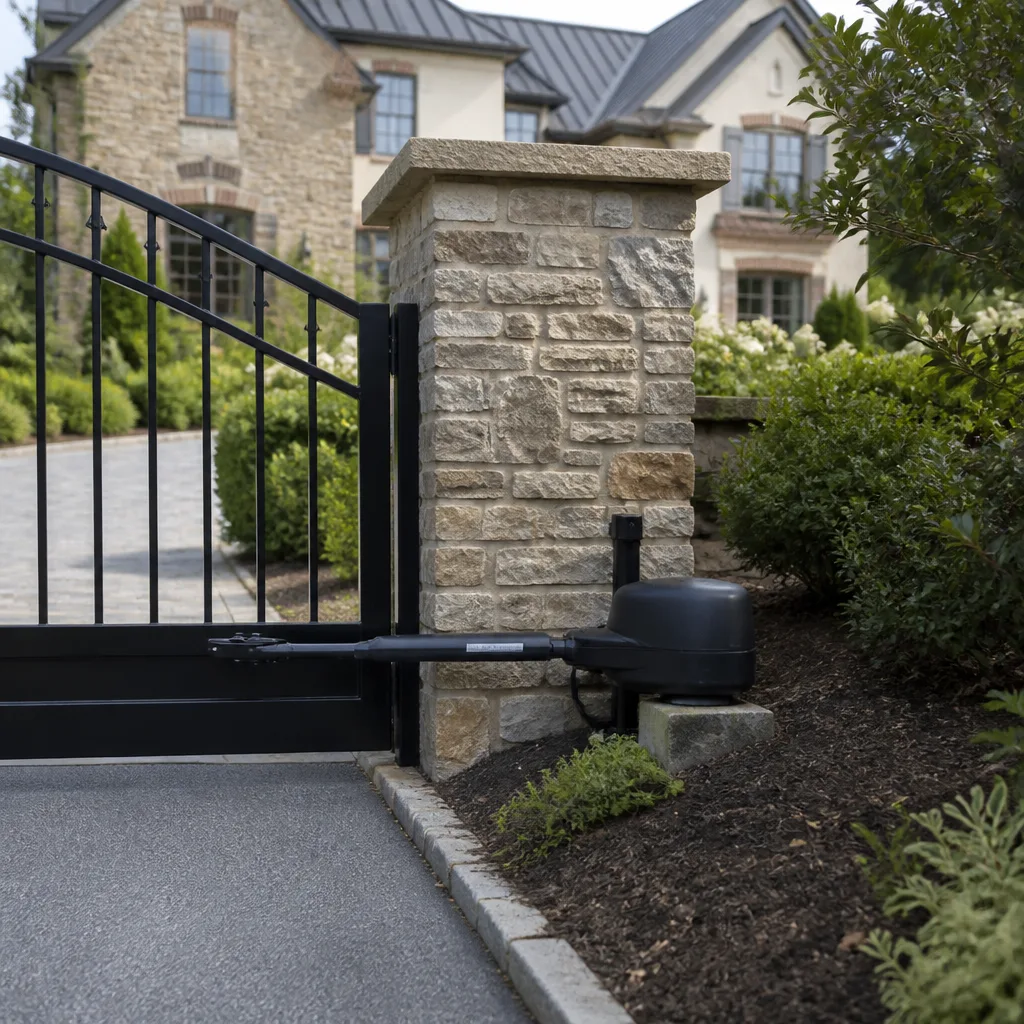
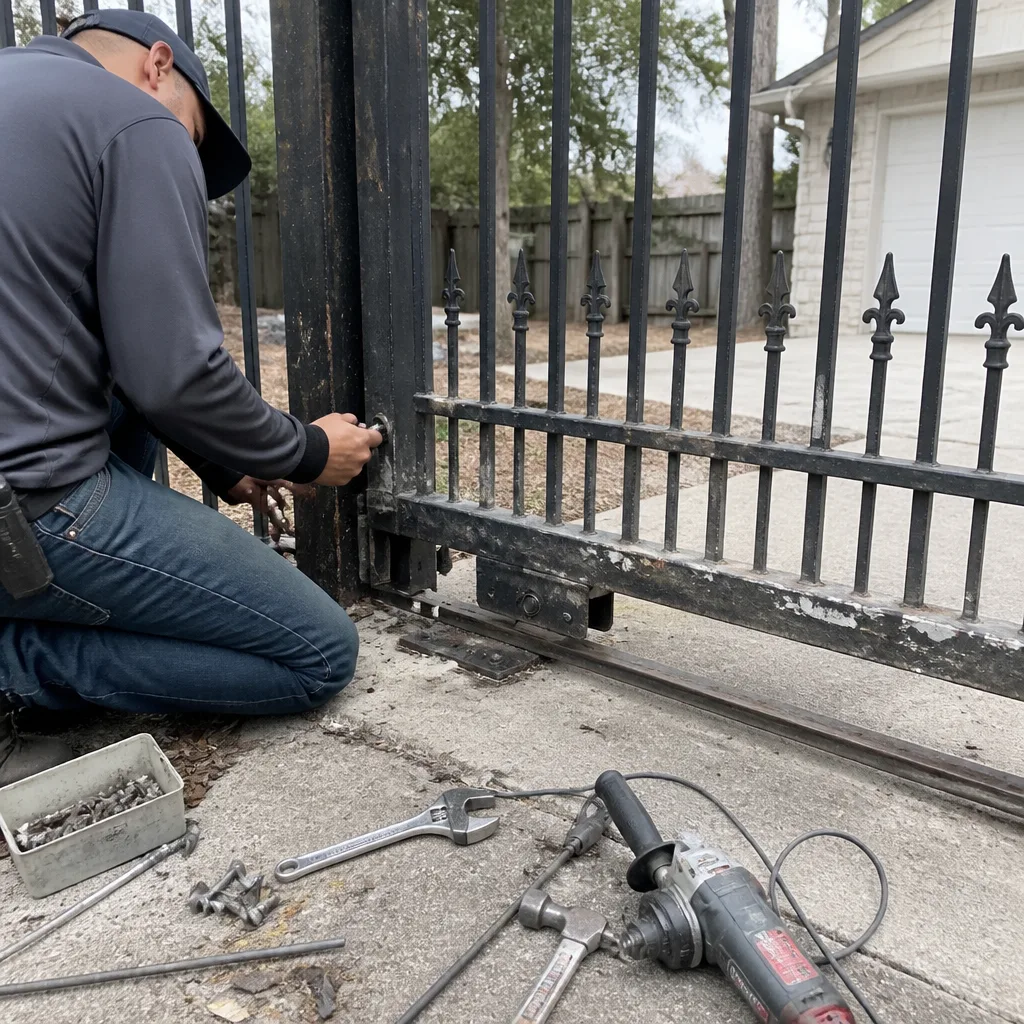 Before
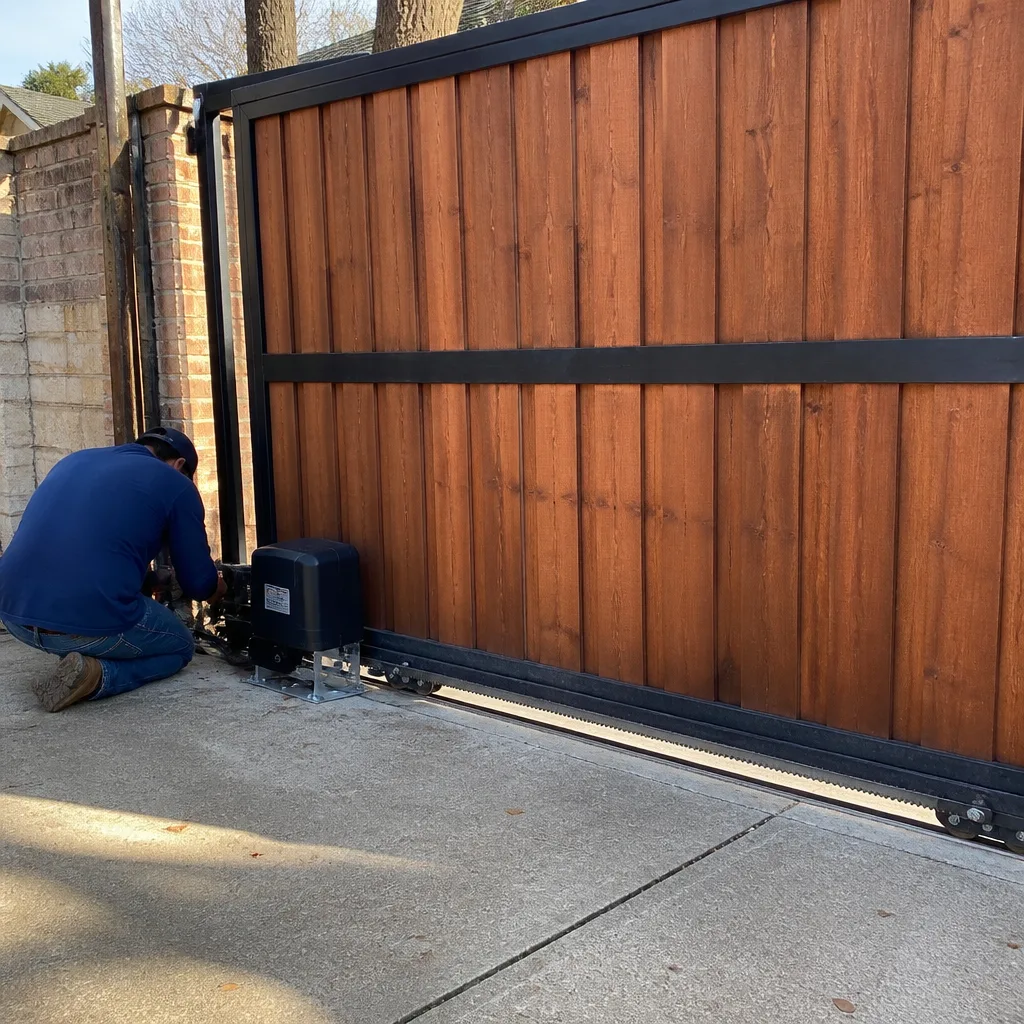 After
After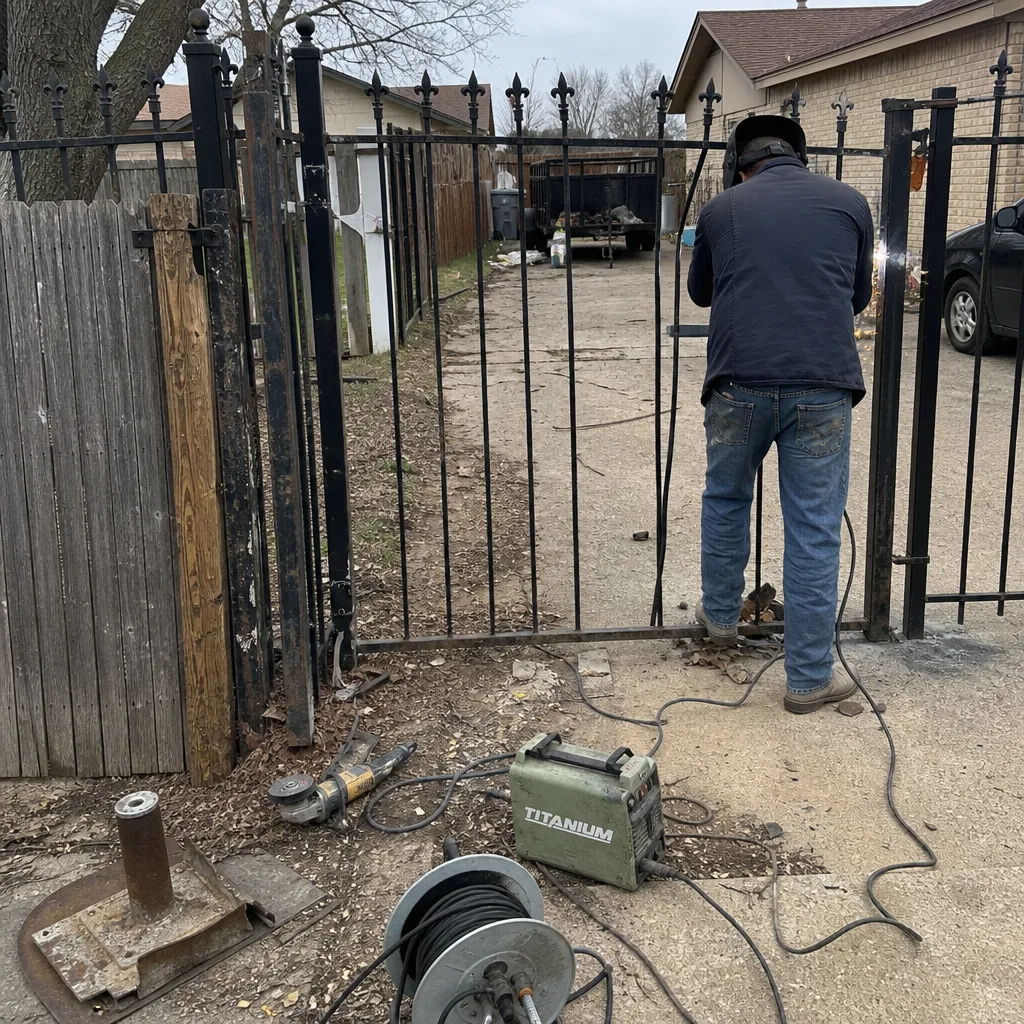 Before
 After
After Before
 After
AfterGate Repair Maintenance Checklist for Duncanville Homeowners
A gate that stops working rarely fails without warning. The warning is usually there for weeks or even months, hidden in plain sight: a slower open, a squeak that comes and goes, a hinge that dips a quarter inch lower than it did last spring. Here’s the counterintuitive part: most gate repairs in Duncanville are the direct result of maintenance that was skipped, not parts that were poorly made. Steel and aluminum gates are remarkably forgiving machines. They will take years of North Texas sun, spring rain, and winter wind without complaint if someone simply checks the basics twice a year. This guide is the same checklist we walk through on our own service calls in Duncanville, written so you can catch small problems before they become a gate that won’t open at 6:00 a.m. on a workday.
Quick Answer
A complete gate maintenance routine for Duncanville homeowners consists of checking hinges, tracks, and wheels every six months, keeping the opener’s battery and photo eyes clean, lubricating moving metal parts with a silicone-based product twice a year, and clearing the gate’s path of sticks, soil, and leaves after every storm. If the gate is steel, inspect it for rust spots each fall and touch them up before the wet season. Budget about thirty minutes per check, or call (903) 532-2236 and have a professional handle the full inspection during a seasonal tune-up.
Table of Contents
- Why Duncanville Gates Fail
- Monthly Visual Check
- Seasonal Lubrication Routine
- Hinge and Wheel Inspection
- Gate Opener and Battery Care
- Photo Eyes and Safety Edges
- Rust Prevention for Steel Gates
- Power and Wiring Checks
- Common Mistakes to Avoid
- When to Call a Professional
- Frequently Asked Questions
- The Bottom Line
Why Duncanville Gates Fail
Duncanville sits in a climate that is unkind to outdoor metal and electronics in very specific ways. The summer heat bakes the finish off a steel gate and can push a gate opener’s internal temperature past what it was designed to handle. The spring and fall bring rain that works its way into hinge pins and bearing assemblies, and the occasional ice storm coats every surface and adds strain to motors that were never meant to fight that much resistance. Then there is the soil. The clay-heavy ground in much of Dallas County shifts with moisture changes. A concrete pad or gate post set in that soil will move a fraction of an inch over time, and that fraction is enough to throw a gate out of alignment. Most of the repair calls we see in Duncanville fall into one of three categories: neglected lubrication, a gate that was knocked out of square by shifting ground or a vehicle bump, or an opener that cooked through a component in the summer heat and was never given a chance to cool down.
None of these failures announce themselves with a loud bang. They creep in. The gate starts to move an inch slower, or it hesitates for half a second before reversing, or the keypad works three times and then ignores the fourth entry. By the time the homeowner calls us, the small problem has usually been wearing on the gate for months. A seasonal check catches these things while they are still cheap to fix. In our experience in Duncanville, a gate that gets a thirty-minute inspection and lubrication twice a year will outlast an identical gate that gets none by five to ten years. That is not an exaggeration. It is what we see in the field, week after week, when we answer the phone for Ironworks Gate Co. home service calls.
Monthly Visual Check
This is the easiest maintenance step and the one most homeowners skip. Once a month, stand in front of the closed gate and look at it the way a mechanic looks at a car before a road trip. You are not fixing anything in this step. You are looking for changes.
- Look at the top edge of the gate against the fence line. Is it level? If one side dips, a hinge or a wheel is wearing, or a post has shifted.
- Check the gap between the gate and the post on both sides. A gap that is wider at top than bottom means the gate is sagging or the post is leaning.
- Look at the ground beneath the gate. Has soil, mulch, or grass built up under the swing path? Even two inches of new soil can scrape the bottom of the gate and force the opener to work harder.
- Check the posts for cracks in the concrete or gaps in the caulk. Water that gets into a post and freezes will expand and can crack the steel from the inside.
- Watch the gate complete one full open and close cycle. Listen for any new sound: a grind, a squeal, a knock, a hesitation. A gate should move smoothly and quietly from open to close. If it does not, note where in the travel the sound happens and mention it when you call us.
In Duncanville, the best time of year to get serious about this check is April and October. April is after the spring rains, when hinges have had water driven into them and the ground has shifted. October is before the cold, when you still have comfortable weather to do a full routine and touch up any bare metal before winter moisture sets in.
Seasonal Lubrication Routine
Lubrication is the single highest-value maintenance task a homeowner can do. A gate that is lubricated correctly will open faster, run quieter, and put less load on the opener, which extends the life of the motor and the battery. The mistake most people make is using the wrong product. WD-40 is a solvent and a water displacer, not a long-term lubricant for load-bearing parts. Grease is too heavy and will collect Dallas County dust and grit, turning into a paste that grinds against the metal. What we recommend for Duncanville homeowners is a clean, dry silicone-based lubricant on hinge pins, wheel bearings, and the moving joints of the opener arm.
- Open the gate fully and disconnect the opener from the gate if it has a manual release. This lets you move the gate by hand while you work.
- Spray each hinge pin from above, letting the lubricant run down into the joint. Do the top and bottom of each hinge.
- Apply lubricant to the wheels and the track, if the gate is a slide gate. Duncanville has a mix of both swing and slide gates, and slide gates need their track cleaned and lubricated more often because they sit closer to the ground where dirt and grass clippings collect.
- Lubricate the opener’s arm joints and the pin where the arm connects to the gate.
- Run the gate through three full open and close cycles to work the lubricant into the parts, then wipe off any excess with a rag.
Twice a year is the baseline for Duncanville. If your gate faces a dirt alley or sits beside a field that kicks up dust, do it three or four times a year. You will feel the difference immediately when you push the gate by hand after lubricating: it should swing almost effortlessly. If it still feels stiff after lubrication, the problem is mechanical, not dry. That is the moment to pick up the phone.
Hinge and Wheel Inspection
Hinges and wheels carry the entire weight of the gate, and in Duncanville, they carry it through heat, rain, and the occasional ice storm. A hinge failure is one of the few gate problems that can be genuinely dangerous. A swinging gate that comes off its top hinge can fall, and a heavy steel gate falling on a person or a car causes serious damage. This is also the part of gate maintenance where we tell homeowners to check, not to repair. High-tension springs, loaded hinges, and a gate’s full weight mean that hinge and wheel repairs are a job for a trained professional with the right equipment. The inspection, however, is safe and simple.
- Lift each hinge point with a pry bar or a shovel handle. There should be almost no vertical play. If the gate lifts more than an eighth of an inch, the hinge pin or bushing is worn and needs attention.
- Look for rust staining around the hinge welds. Rust at the weld is a sign that moisture is working into the metal, and on a steel gate in Duncanville’s climate, that is a failure in progress.
- Check the wheels on a slide gate. They should roll smoothly in the track without wobbling. A wheel with flat spots or a bearing that chatters means the gate has been dragged, not rolled.
- Listen for a grinding sound when the gate moves. A worn bearing can sound like a low, gritty rumble. That is metal on metal, and it is doing more damage every cycle.
- Check the bolts on the hinge plates and post brackets. Vibration from daily use will work bolts loose over the course of a year. A quarter turn of the wrench in April and October keeps them seated.
When a hinge or wheel shows significant wear, the repair is not a homeowner weekend project. The gate must be safely supported, the old part removed, the new part aligned, and the gate re-leveled. Done incorrectly, a hinge replacement can put the gate out of square and cause the opener to burn out against the new resistance. We see this pattern in Duncanville often enough to mention it: a homeowner replaces a hinge, everything looks fine for a month, then the opener fails. The hinge was never the root problem. The root problem was that the gate had shifted, and the worn hinge was just the symptom.
Gate Opener and Battery Care
The gate opener is the most expensive component on the gate and the one that suffers most from Duncanville’s summer heat. Whether it is a LiftMaster, FAAC, BFT, or Linear unit, every opener has two enemies in North Texas: temperature and moisture. Inside the opener housing, electrical components expand and contract with the temperature, and over enough cycles, solder joints can crack and capacitors can swell. The battery, which powers the opener during an outage and buffers the motor’s power draw, gives out faster in the heat. A car battery in Dallas County lasts three to five years for the same reason. A gate battery is no different.
What a homeowner can safely do:
- Inspect the opener housing for cracks or gaps. If the plastic or metal case has a crack, water can get in and short the board. Seal hairline cracks with silicone caulk. Larger cracks mean the housing needs replacement.
- Check the battery terminals for corrosion. A white or blue crust on the terminals is a sign the battery is failing and should be tested. Do not disconnect the battery yourself unless the opener’s manual tells you it is safe to do so; some openers store active voltage in capacitors that can deliver a shock even when unplugged.
- Test the battery by unplugging the opener from wall power (if it is a plug-in model) and running the gate open and close once. If the gate moves slowly or not at all, the battery is due for replacement.
- Keep the area around the opener clear. Leaves, grass clippings, and mulch stacked against the opener housing trap heat and moisture, which shortens the life of the electronics.
- Change the battery every three years in Duncanville’s heat, even if it still tests okay. The heat is hard on batteries, and a battery that dies during an ice storm leaves the gate locked or open at the worst moment.
We work on nine automation brands, and the one thing they have in common is that a well-maintained battery and a dry housing prevent about half of the opener repairs we would otherwise make. The other half comes from heat and age, and those we handle as they come.
Photo Eyes and Safety Edges
Every automated gate installed in Duncanville today has safety sensors, and they serve one job: making sure the gate does not close on a person, a pet, or a car. Photo eyes are the small paired units on the gate posts, usually about a foot off the ground, and the safety edge is the pressure-sensitive strip on the leading edge of the gate. When either one trips, the gate stops and reverses. When either one is dirty, misaligned, or covered in spider webs, the gate refuses to close at all, because the sensor can’t confirm the path is clear. This is the number one reason a homeowner calls us for a gate that opens but will not close.
- Wipe the photo eye lenses every month. A soft, dry cloth is enough. North Texas dust and pollen settle on the lenses and block the beam.
- Check that the photo eyes are still pointed at each other. A mower bump, a dog, or a child can knock one of the posts slightly, and a beam that is a half inch off will trip the safety circuit.
- Inspect the safety edge strip for cuts, cracks, or peeling. Sun damage slowly destroys the rubber, and once the strip fails, the gate will not close. This is a five-minute replacement for a professional and a common Duncanville repair.
- Test the safety edge monthly. Press on it while the gate is closing. The gate should stop and reverse immediately. If it does not, stop using the gate and call us; a safety edge that fails means the gate is no longer safe for family or pets.
These sensors are not optional conveniences. They are safety devices, and a gate that operates without working sensors is a liability and a hazard. In Duncanville, where many of our customers have grandchildren, dogs, and longtime neighbors walking the street, this is a check we take seriously. It is worth two minutes of your time every month.
Rust Prevention for Steel Gates
Steel gates in Duncanville fight a constant battle against rust, and the gate usually loses if no one intervenes. The climate here cycles between wet and dry, and every time a bare spot on the metal gets wet, oxidation deepens. Once rust works under the paint, it spreads outward from the inside, and by the time a homeowner sees bubbling paint, the metal underneath is already compromised. The first line of defense is paint. The second is the homeowner’s eye.
- Walk the gate every fall and spring. Look for scratches, chips, bubbling, or a dull, chalky patch that used to be glossy. These are the places rust will start.
- Scrape or sand the affected spot lightly to remove loose rust and oxidization.
- Prime the bare metal with a rust-inhibiting primer. Do not skip this step. Paint alone will not stop rust that has already started.
- Paint over the primer with a rust-resistant exterior enamel matched to the gate’s color. Even a slight color difference is better than exposed metal.
- Check the bottom edge of the gate, the hinge welds, and any decorative scrollwork. These are the first places rust appears because water sits and collects there.
A homeowner with basic painting supplies can handle small touch-up spots. A gate with widespread rust, rust that has eaten through the metal, or rust at structural welds needs professional attention. In some cases, the affected section can be cut out and re-welded, which restores the gate to full strength. In others, the rust has spread far enough that a new gate section is the honest recommendation. We will always tell you which is which and quote the smaller fix when the smaller fix is what the gate actually needs.
Power and Wiring Checks
The electrical side of a gate system is where homeowner maintenance stops and professional maintenance begins. That is not a casual boundary; it is a safety assignment. A gate opener runs on either line voltage from the house or low voltage from a transformer, and both can deliver a dangerous shock if handled incorrectly. Underground wire runs in Duncanville are also exposed to damp soil, shifting ground, and the occasional mower or edger that nicks the conduit. The check a homeowner can safely do is external: look, note, and report.
- Look at the power wire where it exits the house or garage and runs to the gate. Is the conduit cracked, pulled out of the wall, or buried under new mulch? Any damage here is a professional call.
- Check the transformer or outlet that powers the opener. If it is tripping a breaker or GFCI on a regular basis, there is a short in the system, and running the gate on a damaged circuit can damage the opener’s board.
- Look for any new digging or landscaping near the gate’s wire path. A shovel cut that nicks the insulation will let groundwater reach the wire, and in Dallas County’s clay soil, that water sits and corrodes.
- Note any flickering keypad lights or intermittent opener behavior. These are classic signs of a wiring issue inside the opener housing or a failing board.
- Lubricating with WD-40 or heavy grease. WD-40 washes away the existing lubricant and then evaporates, leaving the hinge dry. Grease catches North Texas grit and becomes an abrasive paste. Use a clean silicone-based lubricant instead.
- Ignoring a slow or noisy gate. A gate that opens a second slower than it did last year or makes a new sound is communicating. The problem will not fix itself, and every extra week of strain adds repair cost in Duncanville’s climate.
- Painting over rust without priming or removing the loose rust first. Rust is an active chemical process. Covering it with paint does not stop it, it just hides it while oxidation continues underneath. Scrape, prime, then paint.
- Blocking the photo eyes thinking the gate will close faster. The photo eyes are a safety system, not a nuisance. A gate that won’t close is usually a sensor problem, and bypassing the sensors creates a real hazard for children and pets.
- Skipping the seasonal check because the gate seems fine. In our 42 years of doing this work, the gates that fail hardest are the ones that were never touched until they stopped moving. Gates in Duncanville need a spring and fall check, every year, no exceptions.
- Trying to adjust or replace tension-loaded parts without experience. Gate springs, tension rods, and loaded hinges store energy and can release it suddenly. What looks like a simple bolt is sometimes the only thing holding a section of weight, and a homeowner can get hurt. This is a professional repair, every time.
- Calling a generalist handyman for a gate opener problem. Gate automation is a specialty. A handyman who does not know LiftMaster from Linear will often replace the wrong part and leave the real problem in place. The correct fix costs less than a pile of wrong guesses.
Electrical repairs and wiring replacements on a gate system are a trained professional’s work. The risk of a bad shock is real, and a miswired opener can damage the gate’s motor or the home’s electrical panel. In our service area, a live person answers the phone 24 hours a day at (903) 532-2236, and we will talk a homeowner through a quick diagnostic before any of our background-checked technicians arrive.
Common Mistakes to Avoid
When to Call a Professional
Some gate problems are clear homeowner territory: wiping photo eyes, lubricating hinges, touching up a paint chip. Others are not, and knowing the difference keeps you safe and keeps the repair bill smaller than it would be after a failed DIY attempt. Call a professional when the gate is off its hinges, when a wheel or bearing is worn enough to wobble, when the opener trips a breaker repeatedly, when the safety edge or photo eyes will not hold alignment, or when the gate simply stops responding to the keypad, the remote, or the intercom at the house. High-tension springs and loaded gate sections are not a place to experiment. A gate repair in Duncanville that starts small and gets ignored eventually becomes a gate that will not move at all, usually at the worst possible moment. Ironworks Gate Co. offers free estimates in the Duncanville area, and the price is settled before any work begins. Call (903) 532-2236 at any hour, and a live person will answer, not a voicemail tree, and schedule a visit.
Frequently Asked Questions
Twice a year is the right maintenance rhythm for a Duncanville gate: a full inspection, lubrication, and touch-up in April after spring rains and again in October before winter. Monthly visual checks and photo-eye cleanings take minutes and catch small problems before they become repair calls, so the realistic answer is a five-minute monthly glance plus a one-hour seasonal routine.
A gate that is slow, noisy, sagging, shutting off intermittently, refusing to close, or tripping the breaker needs a professional evaluation, because each of those symptoms points to a problem that will not correct itself and is likely damaging other parts with every cycle. The sooner the gate is checked, the smaller the repair. Call (903) 532-2236 and we will send a technician who can diagnose and repair most issues in a single visit.
Yes, and more than most homeowners realize. Duncanville’s summer heat pushes opener electronics past their comfortable operating range, expands and contracts solder joints, and shortens battery life to about three years instead of the five a cooler climate allows. A well-ventilated opener housing and a battery replaced on schedule prevent most heat-related failures we see in our service area.
Yes, and you should. The lubrication routine described above is safe for any homeowner and takes about thirty minutes with a can of clean silicone-based lubricant. What you should not do is use WD-40 or grease, and you should not lubricate a gate that is already making a grinding noise; by then, the bearing or hinge is worn past the point lubrication will help, and the gate needs a professional repair.
A gate that opens but refuses to close almost always has a tripped safety sensor, which means one of the photo eyes is dirty or misaligned, the safety edge is cracked, or a connection has worked loose between the sensor and the board. Wipe the photo eyes first, and if the gate still will not close, the sensor or wiring needs a professional check, because a gate that cannot verify a clear path is not safe to force closed.
Ironworks Gate Co. offers a seasonal gate tune-up at $89, which covers the full inspection, lubrication, safety sensor check, and mechanical adjustment a gate needs twice a year, and we also offer $50 off any repair over $250 and a free second opinion on any written estimate. Every job is priced and agreed before work starts, so there is never a surprise on the bill. Call (903) 532-2236 for an exact quote on your gate, and one of our technicians will come out and tell you honestly what the gate needs.
The Bottom Line
A Duncanville gate that receives a thirty-minute seasonal check every spring and fall, a monthly photo-eye wipe, and the right lubricant twice a year is a gate that will last a decade longer and fail far less often than one left to fend for itself. The maintenance itself is simple; the hard part is remembering to do it, and the second-hardest part is knowing when to put down the wrench and call a professional. Gate hinges, wheels, openers, and safety sensors are part craft and part engineering, and a mistake can be expensive or dangerous. For 42 years, we have repaired, maintained, and installed gates for homeowners in Duncanville and the surrounding communities, and every job carries the 90-Day Done Right Promise in writing: if it is not right, we come back and make it right, every time, with no paperwork and no arguing. When the gate needs more than a wipe and a spray, call (903) 532-2236. We will be there when we say.
Written by Victor Salinas, Owner at Ironworks Gate Co., serving Duncanville since 2013.